Baklava Turkish Dessert: A Sweet Journey Through History and Flavor
Indulge in the rich, flaky, and exquisitely sweet world of Turkish Baklava, a dessert that transcends mere confectionery to become a symbol of culinary artistry and cultural heritage. This authentic Turkish Baklava is more than just a treat; it's a testament to centuries of tradition, a masterpiece of delicate layers, and a symphony of flavors that has captivated palates across the globe. From its humble origins to its status as a beloved Turkish dessert, baklava offers a unique sensory experience that is both deeply satisfying and endlessly fascinating. This comprehensive guide will delve into the captivating history, diverse types, renowned manufacturers, and the irresistible allure of this iconic Middle Eastern dessert.
The Enduring History of Turkish Baklava
While the precise origins of baklava are often debated, its most refined and recognizable form, particularly Turkish Baklava, is widely believed to have flourished within the opulent kitchens of the Ottoman Empire. This layered pastry, sweetened with syrup or honey and filled with chopped nuts, has a lineage that some trace back to ancient Mesopotamian civilizations, around 2,800 BC, or even to the Ancient Roman placenta cake. However, the baklava as we know it today, with its characteristic thin phyllo dough layers, truly began to take shape during the Ottoman era, becoming an almost sacred part of special occasions, particularly during Ramadan.
The evolution of baklava is a fascinating journey. Early versions were simpler, but over centuries, the culinary masters of the Ottoman court perfected the art of creating incredibly thin sheets of dough, sometimes as many as 40 layers, each brushed with clarified butter. This meticulous process, combined with the generous use of premium nuts like pistachio baklava and walnut baklava, and a sweet, aromatic syrup, elevated baklava to an art form. The dessert became a staple in the imperial kitchens of the Topkapı Palace in Istanbul, where it was served to Janissaries on special occasions, solidifying its place in Turkish dessert culture and history. Today, the legacy of this rich past continues to thrive, with traditional Turkish Baklava remaining a cherished culinary treasure.
Main Types of Turkish Baklava: A Symphony of Flavors and Textures
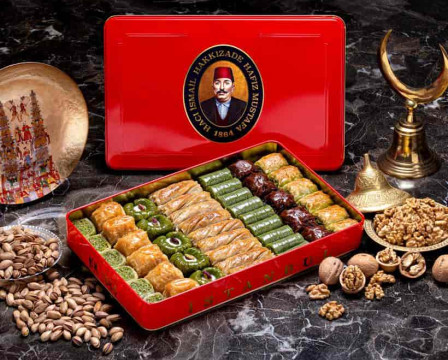
Turkish Baklava is not a monolithic dessert; it encompasses a delightful array of variations, each offering a unique combination of flavors, textures, and presentations. While the core elements of phyllo dough, nuts, and sweet syrup remain consistent, the subtle differences in preparation, shape, and filling create a diverse and captivating culinary landscape. Here are some of the most prominent and beloved types of Turkish Baklava:
1. Fıstıklı Baklava (Pistachio Baklava)
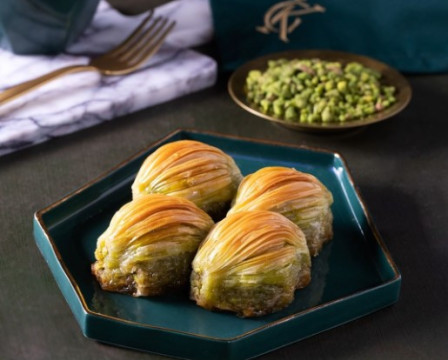
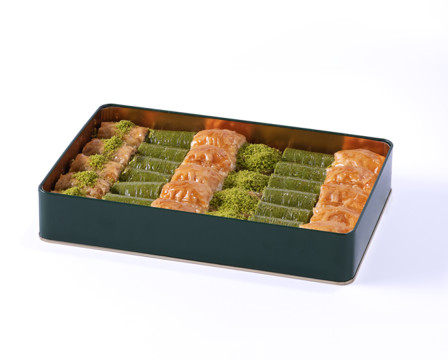
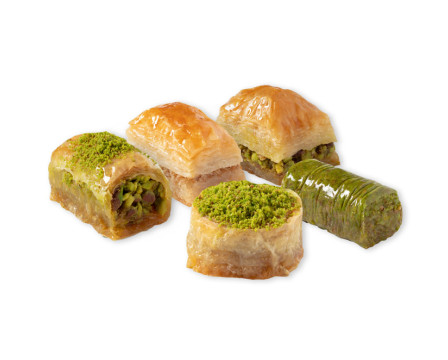
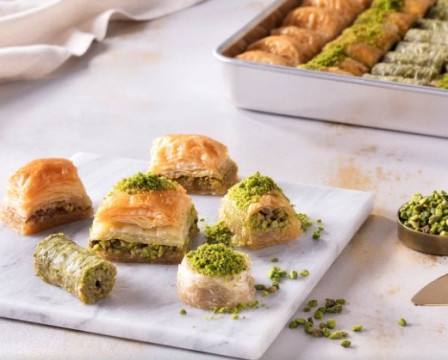
Undoubtedly the most iconic and popular variety, Fıstıklı Baklava is synonymous with the vibrant green pistachios of Gaziantep. This classic features numerous thin layers of phyllo dough generously filled with finely ground Gaziantep pistachios, a prized ingredient known for its intense flavor and vivid color. After baking to a golden crisp, it is drenched in a light sugar syrup, allowing the layers to absorb the sweetness while retaining their delicate crunch. The rich, nutty flavor of the pistachio perfectly complements the buttery pastry and sweet syrup, making it a favorite for many. Often cut into squares or diamonds, it's a visual and gastronomic delight.
2. Cevizli Baklava (Walnut Baklava)
For those who prefer the robust, earthy notes of walnuts, Cevizli Baklava offers a delightful alternative. Instead of pistachios, this variety is filled with coarsely chopped walnuts, which provide a satisfying crunch and a distinct flavor profile. While perhaps less visually striking than its pistachio counterpart, Walnut Baklava holds a special place in Turkish culinary traditions, often prepared in home settings. The preparation method remains similar, with layers of phyllo dough, butter, walnuts, and a sweet syrup, resulting in a comforting and deeply flavorful dessert.
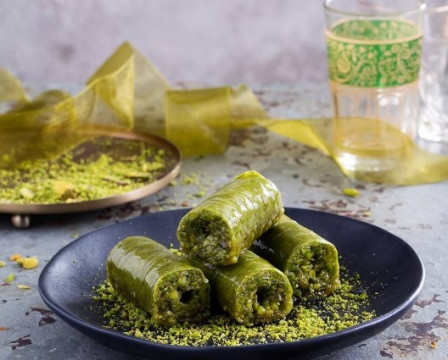
3. Saray Sarması (Palace Wrap)
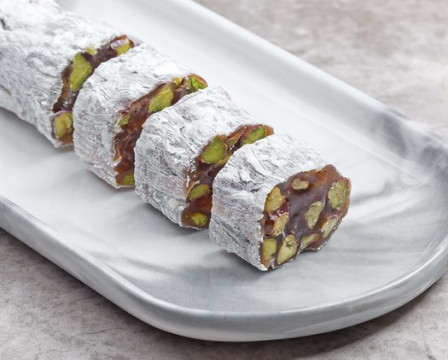
Literally translating to "Palace Wrap," Saray Sarması is an elegant and often larger form of baklava, typically rolled rather than layered flat. This variety is characterized by its cylindrical shape, achieved by rolling the phyllo dough with a generous filling of pistachios or walnuts. The rolling technique creates a denser, more substantial piece of baklava, offering a different textural experience. It's a regal treat, often found in specialty baklava shops, reflecting its historical association with Ottoman palaces.
4. Şöbiyet (Cream-filled Baklava)
Şöbiyet stands out with its unique addition of a creamy filling, often made from clotted cream (kaymak) or a semolina-based custard, combined with pistachios. This triangular-shaped baklava offers a delightful contrast between the crispy phyllo layers and the soft, rich interior. The cream filling provides a cooling sensation that balances the sweetness of the syrup, making it a particularly indulgent and popular choice, especially during festive occasions.
5. Bülbül Yuvası (Nightingale's Nest)
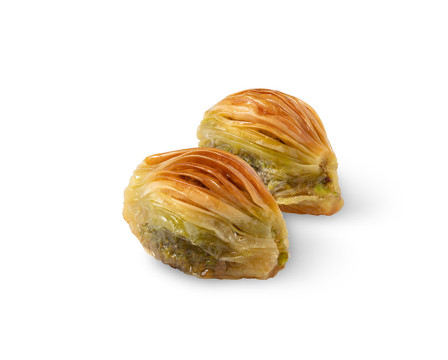
Named for its resemblance to a bird's nest, Bülbül Yuvası is a visually intricate and delicious type of baklava. The phyllo dough is shaped into small, round nests, which are then filled with whole or coarsely chopped pistachios or walnuts. After baking, these nests are drenched in syrup, creating a crispy exterior and a nutty, sweet center. Its unique shape makes it a popular choice for special presentations and gifts.
6. Kuru Baklava (Dry Baklava)
Kuru Baklava, or "Dry Baklava," is a less syrupy version, designed for longer shelf life and easier transport. It contains less syrup than traditional baklava, resulting in a crispier texture and a less intensely sweet flavor. This makes it an excellent choice for those who prefer a subtler sweetness or wish to enjoy baklava over a longer period. It's often filled with pistachios and is a popular souvenir.
7. Sütlü Nuriye (Milky Nuriye)
Sütlü Nuriye is a lighter, milk-based baklava, offering a refreshing twist on the classic. Instead of a heavy sugar syrup, it is soaked in a milky, lighter syrup, giving it a softer texture and a less cloying sweetness. This makes it a popular choice, especially during warmer months, and for those who prefer a less intense dessert. It often features walnuts or pistachios as a filling.
Key Turkish Baklava Manufacturers: Masters of the Craft
The art of making Turkish Baklava has been perfected over generations, and several renowned manufacturers stand out for their unwavering commitment to quality, tradition, and exquisite taste. These establishments have become synonymous with the finest baklava, drawing connoisseurs from around the world. When seeking the best Turkish Baklava, these names are often at the forefront:
1. Karaköy Güllüoğlu
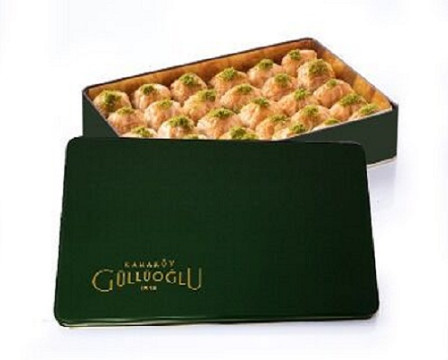
Widely regarded as one of the most prestigious and oldest baklava producers in Turkey, Karaköy Güllüoğlu has been crafting baklava since 1871. Located in the bustling Karaköy district of Istanbul, this family-run business is celebrated for its meticulous adherence to traditional recipes and the use of only the highest quality ingredients, particularly the famous Gaziantep pistachios. Their baklava is known for its perfect balance of sweetness, crispiness, and rich nutty flavor. They offer a wide variety, but their classic Fıstıklı Baklava is legendary. A visit to Istanbul is often incomplete without a stop at Güllüoğlu.
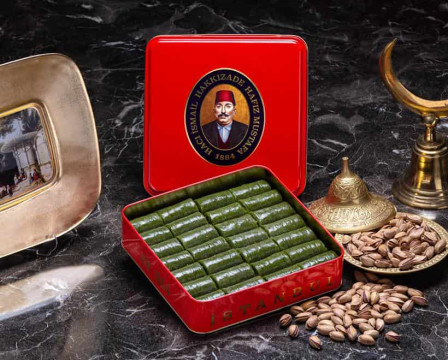
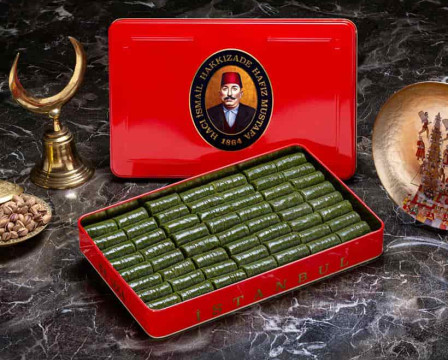
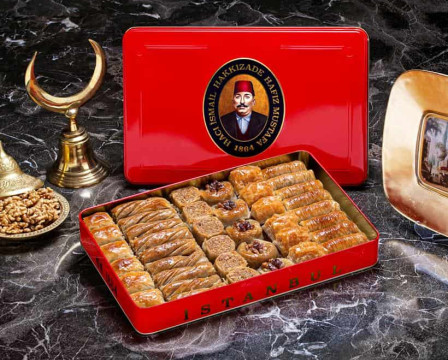
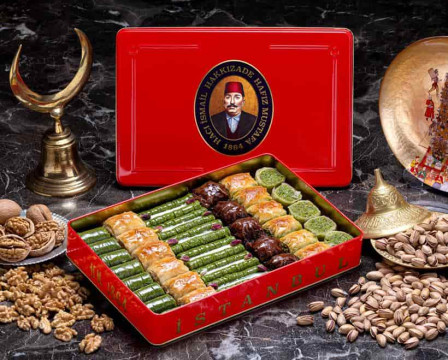
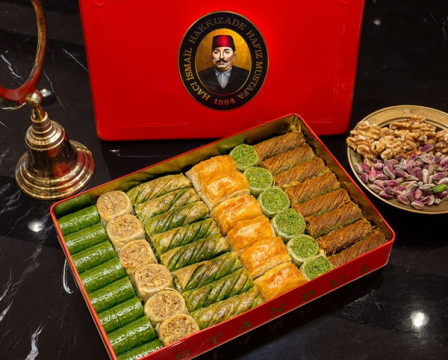
2. Hafız Mustafa 1864
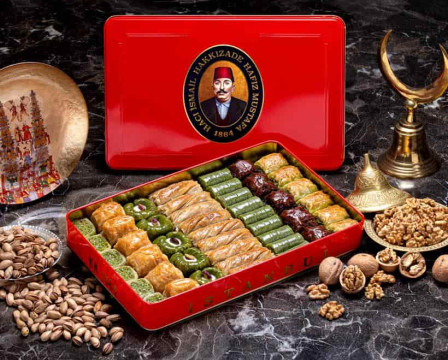
Another historical giant in Turkish confectionery, Hafız Mustafa 1864 boasts a legacy stretching back to the Ottoman era. While famous for a wide range of Turkish delights and sweets, their baklava is equally celebrated. They maintain traditional methods, ensuring each piece reflects the authentic taste and texture of classic Turkish baklava. With multiple branches across Istanbul, they are a popular choice for both locals and tourists seeking high-quality, traditional Turkish desserts.
3. Köşkeroğlu
Originating from Gaziantep, the undisputed capital of baklava, Köşkeroğlu brings the authentic taste of the region directly to Istanbul and beyond. Their expertise lies in their deep understanding of pistachio baklava, utilizing the freshest and most flavorful Antep pistachios. Köşkeroğlu is known for its commitment to traditional baking techniques, resulting in baklava that is rich, aromatic, and perfectly balanced. They are a favorite among those who seek the true Gaziantep baklava experience.
4. Fatih Güllüoğlu
Part of the extended Güllüoğlu family, Fatih Güllüoğlu continues the esteemed tradition of baklava making with its own distinct touch. While sharing the family name, Fatih Güllüoğlu has carved out its own reputation for producing high-quality baklava with a focus on fresh ingredients and traditional craftsmanship. They offer a diverse selection, catering to various preferences while upholding the standards of excellence associated with the Güllüoğlu name.
These manufacturers not only produce exceptional baklava but also contribute significantly to preserving the rich heritage of Turkish dessert culture. Their dedication ensures that the legacy of this beloved pastry continues to thrive, offering a taste of history with every bite.