
30 Oct

0 Comment(s)
12678 View(s)
Optimal timing for omega-3 intake
Omega-3s are essential fatty acids that play a vital role in the body's health, particularly for the heart, brain, and joints. The body can’t produce omega-3s on its own, so we need to get them from food or supplements. Omega-3 is mainly found in fish like salmon and sardines, as well as in some plant sources like flaxseeds and chia seeds.
What are the main sources of omega-3?
Omega-3 fatty acids are mainly found in:- Fish, especially salmon, tuna, and sardines
- Vegetable oils, such as flaxseed oil and soybean oil
- Fortified foods, including certain types of eggs, yogurt, juices, and milk.
The concentration of omega-3s in fish is influenced by:
- Their diet.
- Their environment, including fish farms or natural habitats like seas and rivers.
- The part of the fish that is consumed.
- The fishing season.
Benefits of omega-3 according to scientific studies
Omega-3s are considered one of the most important essential supplements, as research has shown their effective role in supporting heart health and reducing inflammation. A study published in The New England Journal of Medicine indicated that taking omega-3s lowers the risk of heart attacks and reduces bad cholesterol (LDL), while also enhancing the elasticity of blood vessels, which helps improve blood pressure and regulate heartbeats.Other research, such as a study from the American Journal of Clinical Nutrition, found that omega-3s can improve mental health and reduce symptoms of depression, showing a link between low omega-3 levels and higher rates of depression and anxiety.

Risks of omega-3 deficiency
A lack of omega-3 fatty acids can lead to various problems, such as- Difficulty concentrating and maintaining attention.
- Joint pain and foot cramps.Menstrual disorders in women.
- Issues with hair, nails, and skin.
- Fatigue and sleep disturbances.
Best time to take omega-3
Now that we know how important omega-3s are for overall body health, how can we benefit from them, and when should we consume them? It’s best to take omega-3 with a meal that contains fat, as fats improve the absorption of omega-3. You can take omega-3 supplements in the morning with breakfast or in the evening with dinner. If you're taking large doses, it might be a good idea to spread them out throughout the day to avoid potential side effects like nausea.In general, it’s recommended to consult a doctor before starting any supplement to ensure the right dosage for your health condition
Our Recommendations
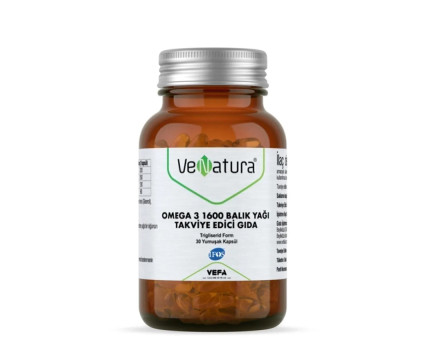
Venatura Omega 3 1600 Fish Oil, 30 Capsu..
25USD
Ex Tax:25USD
Nature's supreme omega 3 1000 mg
A prod..
25USD
Ex Tax:25USD
Magnimore Plus
Dietary supplement rich ..
35USD
Ex Tax:35USD
-29 %
Men Pharmaton Tablet, 30 Pills
Multivit..
25USD 35USD
Ex Tax:25USD
Ocean Selenium 200mcg 60 Tablet - High-..
20USD
Ex Tax:20USD
Leave a Comment